


How to Get Clear Skin Naturally at Home (Without Using Products)
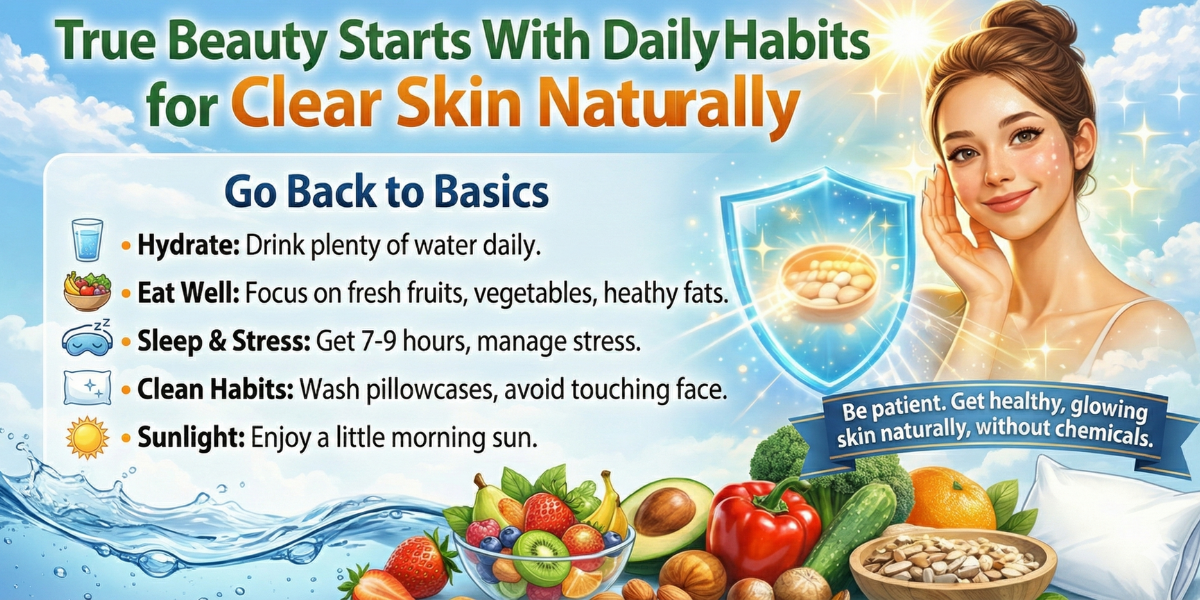
True beauty often starts not with creams or treatments, but with your daily habits. Many of us spend money on expensive skincare, but forget the simple natural ways our body keeps skin healthy. If you want to know how to get clear skin naturally at home without using products, the key is to go back to basics.
It begins with taking care of your body—drink plenty of water, eat healthy foods, get enough sleep, and manage stress well so your skin can repair itself.

In Beauty Home Salon – Zirakpur
Get clear, glowing skin naturally! 💧
Gentle facials, natural care, and expert tips to keep your skin healthy and radiant. 🌿
📍 Zirakpur | Chandigarh | Panchkula | Mohali
Here’s how you can improve your skin naturally, right at home.
Eat Food That Feels Good to Your Body
Your skin reacts to what you eat. Too much junk food, sugar, or oily snacks can trigger acne and irritation.
You don’t need a strict diet. Just focus on:
The Gut-Skin Connection
High sugar intake spikes insulin, which triggers systemic inflammation and excess oil production, leading to acne and redness.
Neutralizing Damage (Antioxidants)
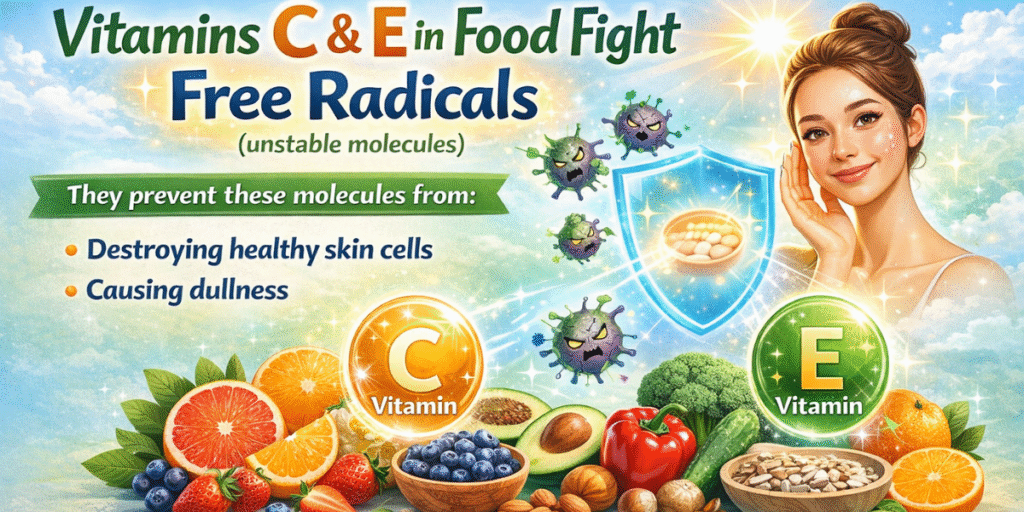
Vitamins C and E in food fight Free Radicals (unstable molecules). They prevent these molecules from destroying healthy skin cells and causing dullness.
Collagen Synthesis
Your body cannot build Collagen (the protein that keeps skin firm) without Amino Acids and Vitamin C from your diet. These are the raw building blocks of skin structure.
The Moisture Barrier:
Healthy fats (Omega-3s) strengthen the cell membrane. A strong membrane locks water inside the cell, creating a natural, plump “glow” from within.
Avoiding Glycation
Excess sugar binds to collagen fibers, making them stiff and brittle. Eating clean prevents this damage, keeping skin soft and elastic
Daily Diet Chart for Glowing Skin
| Time | Food / Drink Suggestions | Benefits for Skin |
|---|---|---|
| Morning | Warm water with lemon, 1 fruit (apple, orange, papaya) | Detoxifies body, boosts vitamin C |
| Breakfast | Oats, whole-grain toast, eggs, smoothie | Fiber + protein for healthy skin |
| Mid-Morning | Nuts (almonds, walnuts) or seeds | Healthy fats for skin elasticity |
| Lunch | Home-cooked meal: rice/roti + vegetables + dal or lean protein | Keeps blood clean, nourishes skin |
| Afternoon | Green tea or fresh juice | Antioxidants reduce inflammation |
| Evening Snack | Fruits or yogurt | Probiotics and vitamins for skin glow |
| Dinner | Light home-cooked meal: soup + vegetables + protein | Easy to digest, promotes skin repair |
| Before Bed | Warm milk or herbal tea | Calms body, helps skin regeneration |
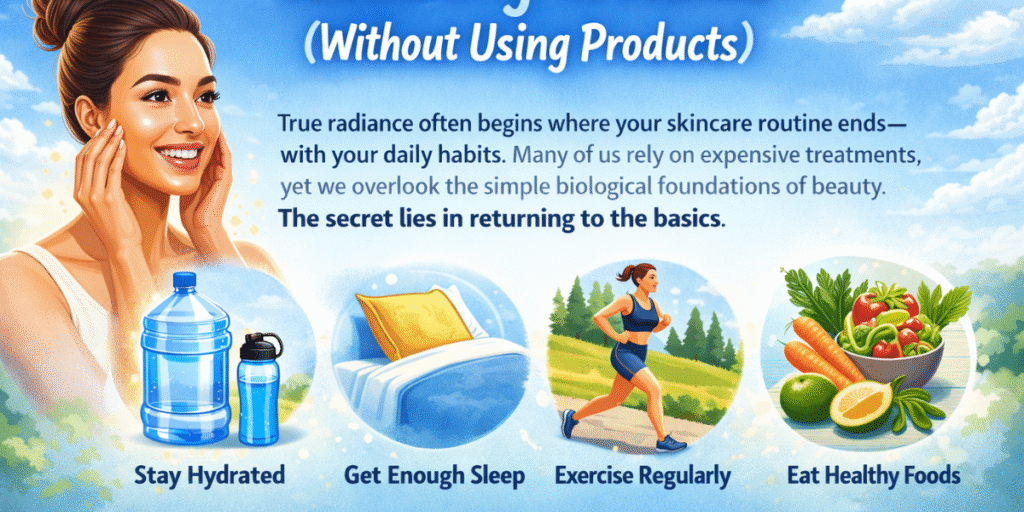
Why Drinking Water Makes Your Skin Glow
Water doesn’t have special ingredients like vitamins or minerals that directly make your skin glow. Instead, it works like fuel that keeps your skin cells healthy. Think of your skin like a plant: if you don’t water it, the leaves become dry, wrinkled, and dull. But if you give it water, the leaves look fresh and shiny..
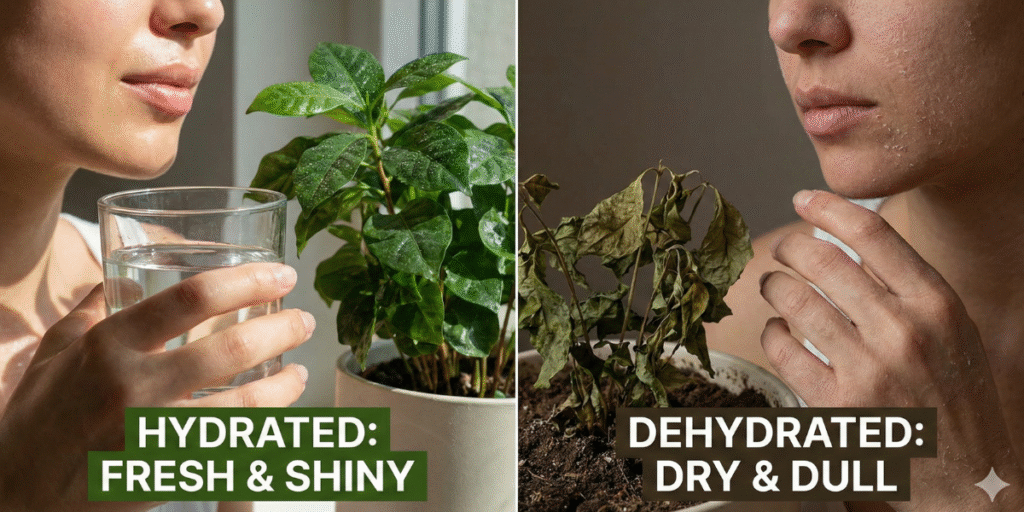
Here is exactly how water creates that “glow”:
1. It Increases Skin Elasticity (The “Plump” Look)
When your body is hydrated, your skin cells are full of water, much like a water balloon.
Dehydrated Skin
Cells shrink and look like raisins. This makes fine lines, wrinkles, and pores look deeper and more visible.
Hydrated Skin
Cells expand and look like grapes. This “plumping” effect fills out the skin, making the surface smoother and more reflective to light (which we see as a “glow”).
2. It Flushes Out Toxins
Your kidneys and liver need water to clean waste from your blood.
If you don’t drink enough water, your body has a hard time getting rid of toxins.
Sometimes, the body tries to push these toxins out through your skin, which can cause dull skin, pimples, and irritation. Drinking water helps flush out these toxins through urine and keeps your pores clear.
3. It Balances Oil Production
This might surprise you, but drinking water can actually help prevent oily skin.
When your skin doesn’t have enough water (is dehydrated), it tells your oil glands to make more oil (sebum) to stop itself from drying out.
Too much oil can cause pimples and breakouts. By drinking enough water, you keep your skin balanced from the inside, so it doesn’t feel the need to make extra oil.
4. It Improves Blood Circulation
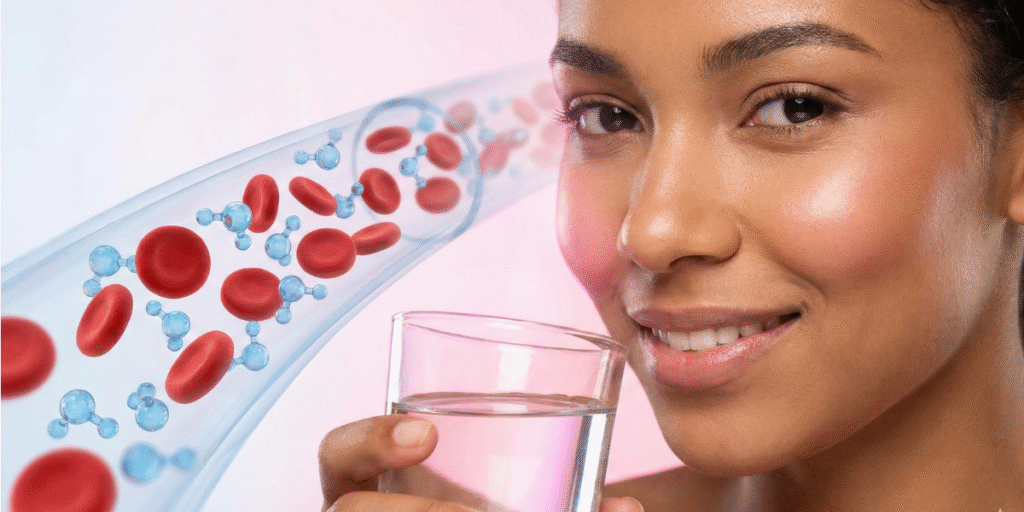
Drinking water helps your blood flow better.
When blood flows well, it carries important nutrients and oxygen to your skin.
With enough oxygen, your skin looks pink, healthy, and glowing instead of pale or dull.
In Beauty Home Salon – Zirakpur
Get clear, glowing skin naturally! 💧
Gentle facials, natural care, and expert tips to keep your skin healthy and radiant. 🌿
📍 Zirakpur | Chandigarh | Panchkula | Mohali
What is “in” water that helps?
It is not about what is added to the water; it is about the molecule (H₂O) itself.
Transport System
Water is the “bus” that carries vitamins and minerals to your skin cells. Without the bus, the nutrients stay stuck elsewhere in the body.
Temperature Control
Water helps control your body temperature. When your skin doesn’t get too hot, it prevents redness and swelling, which makes your skin tone more even.
In short: Water makes your skin glow by filling up the cells to smooth the surface, removing toxins that make it look dull, and making sure nutrients reach your face properly.
How much water should you drink in a day?
Generally, you should drink 8–10 glasses of water per day (about 2–3 liters).
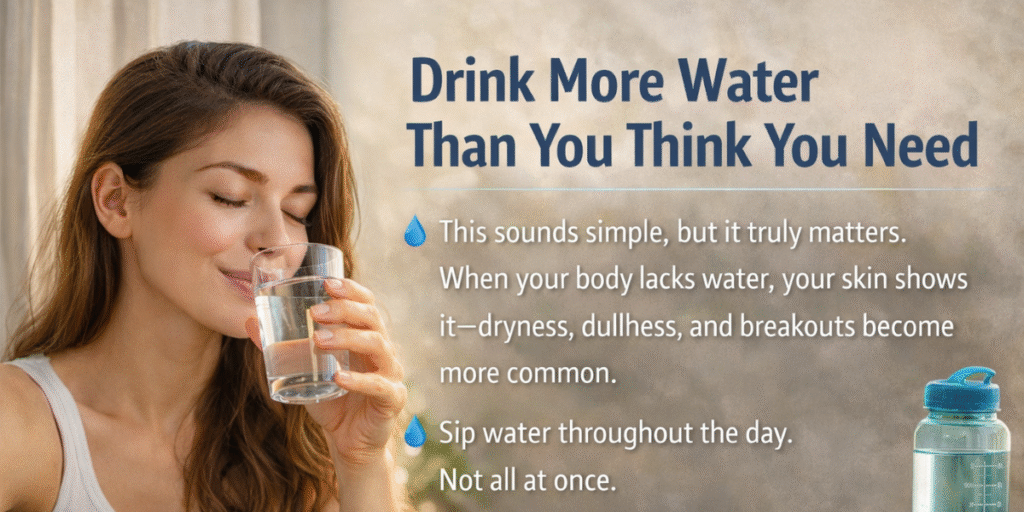
If you are active, live in a hot area, or sweat a lot, you may need more than this. The key is to sip water throughout the day, not drink it all at once.

Example:
- If you weigh 70 kg → 70 × 0.033 = 2.31 liters/day
- If you weigh 60 kg → 60 × 0.033 = 1.98 liters/day
Benefits of drinking enough water for skin:
- Keeps skin hydrated and prevents dryness
- Helps maintain a natural glow
- Reduces dullness and rough texture
- Helps flush out toxins, which can reduce acne and breakouts
- Improves skin elasticity, making skin look fresh and youthful
- Helps reduce dark circles and fine lines
Sleep Is Not Optional for Clear Skin
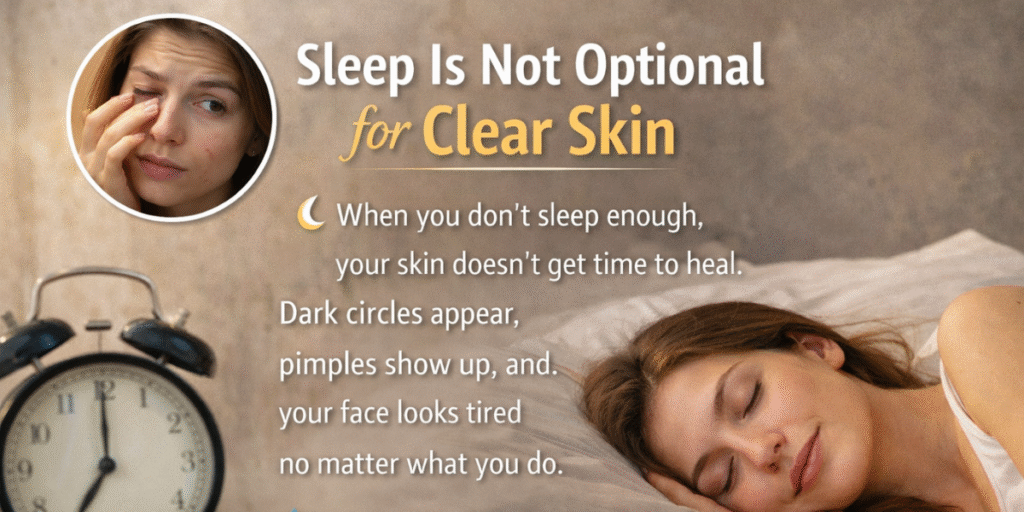
We often spend a lot of money on serums, creams, and treatments, but we forget about the most powerful (and free) skincare tool: sleep.
“Beauty sleep” is not just a saying—it’s something your body really needs. If you don’t get enough rest, your skin shows it first.
Without enough sleep, your skin doesn’t get time to repair itself. You may notice dark circles, pimples, and a tired-looking face, no matter what products you use.
Why Sleep Is Important for Glowing Skin
Sleep is very important for glowing skin because the skin repairs itself during sleep. When you sleep well, damaged skin cells heal, blood flow improves, and your face looks fresh and healthy. Lack of sleep causes dark circles, dull skin, acne, and a tired appearance. Getting 7–9 hours of sleep helps control stress, reduce pimples, and keep skin smooth and glowing.

Cell Repair (HGH)
During deep sleep, your body releases Human Growth Hormone, which repairs damaged cells and generates fresh new ones.
Collagen Boost
Your body produces Collagen mostly while you sleep. This protein keeps skin tight, bouncy, and smooth.
Blood Flow
Circulation to the skin increases at night, delivering essential oxygen and nutrients that remove dullness.
Lower Stress (Cortisol)
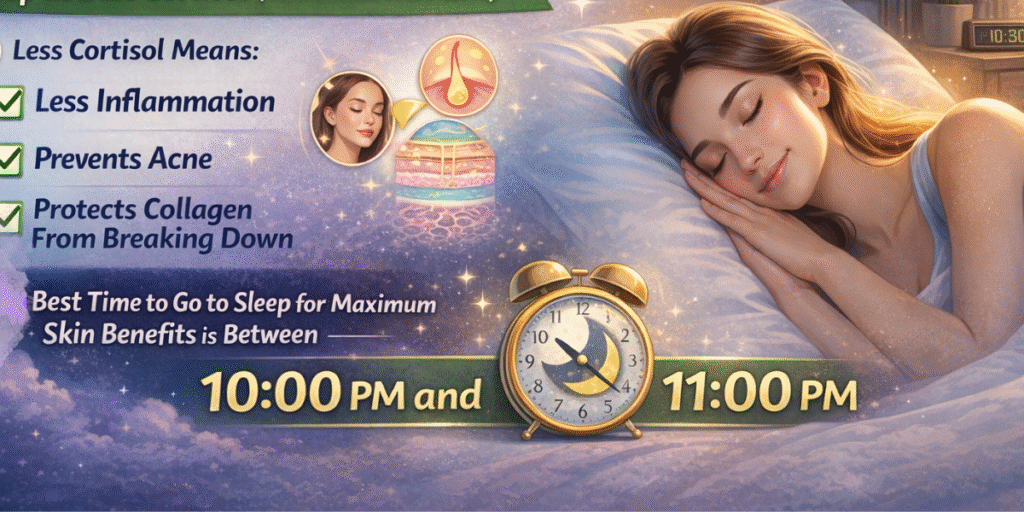
Sleep lowers Cortisol (the stress hormone). Less cortisol means less inflammation, preventing acne and collagen breakdown.
- The best time to go to sleep for maximum skin benefits is between 10:00 PM and 11:00 PM.
Here is why this specific time matters:
The “Golden Window” (10 PM – 2 AM)
This is when your skin goes into its most intense repair mode.
HGH Peak
Human Growth Hormone (which heals skin) is released in high amounts during deep sleep. This release naturally peaks around midnight.
Syncing with Nature
If you fall asleep by 11:00 PM, you ensure you are in a deep sleep stage by the time this midnight peak happens, maximizing the repair.
| Skin Mode | What Happens? | Scientific Goal |
| Daytime | Protection | Fights UV rays, pollution, and bacteria. |
| Nighttime | Repair | Synthesizes collagen, clears toxins, and renews cells. |
Your skin reacts to what you eat. Too much junk food, sugar, or oily snacks can trigger acne and irritation.
You don’t need a strict diet. Just focus on:
The Gut-Skin Connection
High sugar intake spikes insulin, which triggers systemic inflammation and excess oil production, leading to acne and redness.
Neutralizing Damage (Antioxidants)
Vitamins C and E in food fight Free Radicals (unstable molecules). They prevent these molecules from destroying healthy skin cells and causing dullness.
Collagen Synthesis
Your body cannot build Collagen (the protein that keeps skin firm) without Amino Acids and Vitamin C from your diet. These are the raw building blocks of skin structure.
The Moisture Barrier:
Healthy fats (Omega-3s) strengthen the cell membrane. A strong membrane locks water inside the cell, creating a natural, plump “glow” from within.
Avoiding Glycation
Excess sugar binds to collagen fibers, making them stiff and brittle. Eating clean prevents this damage, keeping skin soft and elastic
In Beauty Home Salon – Zirakpur
Get clear, glowing skin naturally! 💧
Gentle facials, natural care, and expert tips to keep your skin healthy and radiant. 🌿
📍 Zirakpur | Chandigarh | Panchkula | Mohali
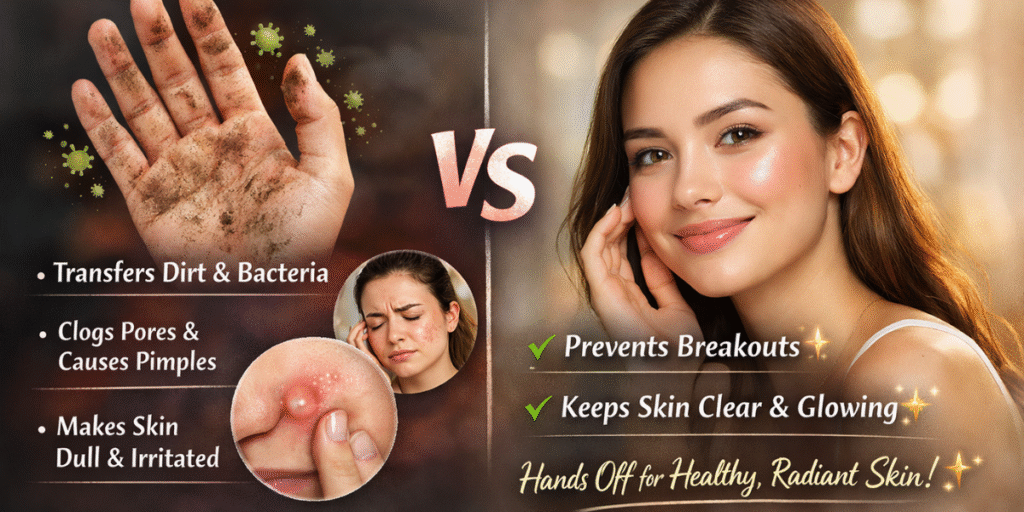
Stop Touching Your Face So Much
Most of us touch our face without realizing it—when we’re thinking, stressed, or bored. But hands carry dirt and bacteria that clog pores.
Being mindful of this small habit can reduce breakouts naturally.
Touching face damages skin
Pathogen Introduction
Your hands act as “vectors,” transferring harmful bacteria (like Staphylococcus) and viruses from surfaces directly into your facial pores, causing infections.
Comedogenics (Clogging)
Physical pressure pushes microscopic dirt and foreign oils deep into hair follicles, creating plugs that turn into blackheads and whiteheads.
Acne Mechanical
Repetitive rubbing or resting your hand on your face creates friction. This irritates the skin barrier and triggers inflammation-based breakouts.
Cross-Contamination
Touching existing pimples spreads C. acnes bacteria to healthy areas of the face, causing new breakouts to form elsewhere.
Tissue Trauma
Picking or scratching damages the dermal layer, increasing the risk of scarring and dark spots (hyperpigmentation).
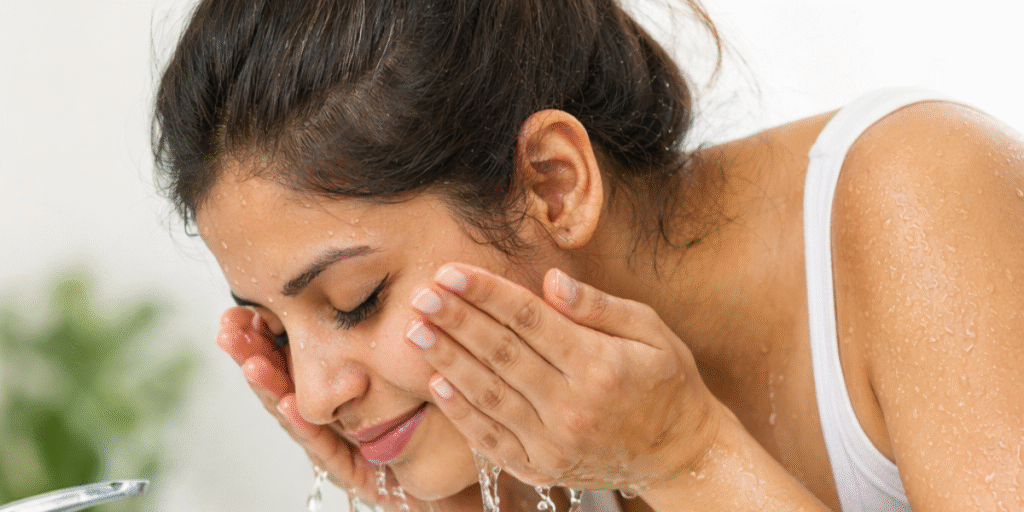
Wash Your Face With Only Water
Here is the short scientific explanation of why washing with only water helps the skin:
Preserves Acid Mantle
Cleansers can be too alkaline, stripping the skin’s protective acidic layer (pH 4.5–5.5). Water is gentler and keeps this barrier intact to fight bacteria.
Stops Oil Rebound
Harsh soaps strip natural oils, causing the skin to panic and overproduce oil (Reactive Seborrhea). Water leaves essential oils, signaling the skin to balance its own production.
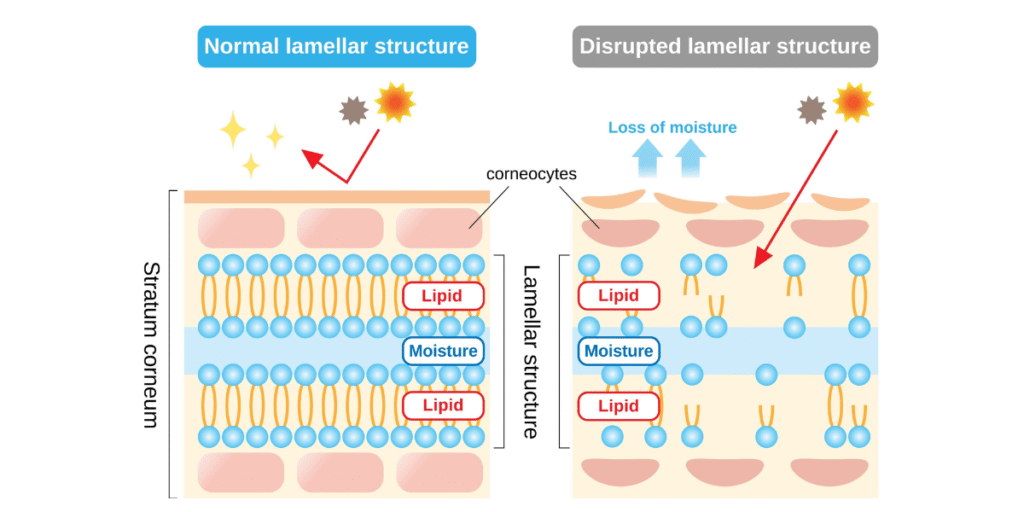
Protects Lipid Barrie
Surfactants in face wash dissolve the “glue” (lipids) between skin cells. Water cleans without destroying this barrier, preventing moisture loss (dehydration).
Microbiome Health
Water does not kill the beneficial bacteria on your skin that naturally control acne and inflammation.You don’t always need face wash. Sometimes, clean water is enough to remove dirt and oil without irritating your skin. Use lukewarm water, not hot. Be gentle. Your skin doesn’t like harsh treatment.
Why water works:
- Lukewarm water gently cleans dirt and impurities.
- It protects your natural skin barrier, keeping skin soft and smooth.
- Reduces the risk of irritation, redness, and dryness.
- Overusing face washes can disrupt the skin’s natural pH and cause breakouts.
Stress Shows on Your Skin
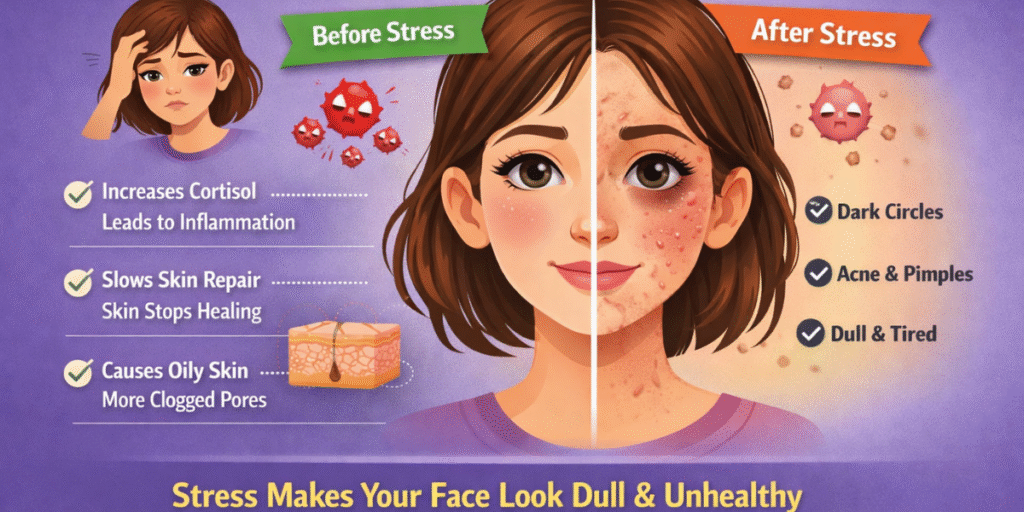
Why Stress Shows on Your Skin
Stress can make your face look dull, tired, and unhealthy. When you are stressed, your body produces more cortisol, a stress hormone. High cortisol levels can:
- Increase oil production, leading to pimples and acne
- Cause inflammation, making skin red or irritated
- Slow down skin repair, so your face looks tired and dull
- Reduce blood flow, which makes your skin lose its natural glow
Here is exactly what happens inside your body when you are stressed:
1. The Cortisol Spike (The Root Cause)
When you are stressed, your brain signals your adrenal glands to release Cortisol (the stress hormone).
Medical Mechanism
Cortisol prepares your body for a “fight or flight” situation. While this helps you survive danger, it wreaks havoc on your skin.
The Result
High cortisol levels tell your body to ignore “non-essential” functions—like skin repair—so all energy goes to your muscles and brain.
2. Vasoconstriction (Why You Look “Dull”)
Have you noticed your skin looks pale or grey when you are stressed?
Medical Mechanism
During stress, your body redirects blood flow away from the skin and towards your vital organs (heart, lungs, muscles). This process is called Vasoconstriction.

The Result:
Your skin receives less oxygen and fewer nutrients. Without that fresh blood supply, the skin loses its natural pinkish tone and luminosity, looking tired, flat, and dull.
3. Increased Oil Production (Adult Acne)
Stress is a major trigger for sudden breakouts.
Medical Mechanism
Cortisol sends a chemical signal to your Sebaceous Glands (oil glands). It stimulates them to produce thick, sticky sebum (oil).
The Result
This excess oil mixes with dead skin cells and clogs your pores much faster than usual, leading to deep, painful stress pimples, usually around the chin and jawline.
4. Inflammation and Sensitivity
Stress puts your body in a state of systemic inflammation.
Medical Mechanism
Cortisol weakens the immune system. This makes it harder for your body to control inflammation.
The Result
Existing skin conditions (like eczema, rosacea, or psoriasis) flare up. Even if you don’t have these conditions, your skin becomes redder, puffier, and more sensitive to products that usually don’t bother you.
5. Collagen Breakdown (Premature Aging)
Medical Mechanism
Cortisol is “catabolic,” meaning it breaks down tissues for quick energy. One of its favorite targets is Collagen (the protein that keeps skin firm).
The Result
Chronic stress literally eats away at your collagen. This causes the skin to lose its elasticity and bounce, leading to fine lines and a sagging appearance much earlier than normal.
6. Impaired Barrier Function (Dryness)
Medical Mechanism
Stress damages the skin’s lipid barrier (the outer seal).
The Result
This allows moisture to evaporate out of the skin (Trans epidermal Water Loss) and lets irritants in. Dehydrated skin cannot reflect light, which effectively destroys your “glow.”
Stress doesn’t stay in your mind—it appears on your face. Pimples, dullness, and flare-ups often come during stressful times.
Try calming habits like:
- Deep breathing
- Short walks
- Quiet time alone
- Listening to music
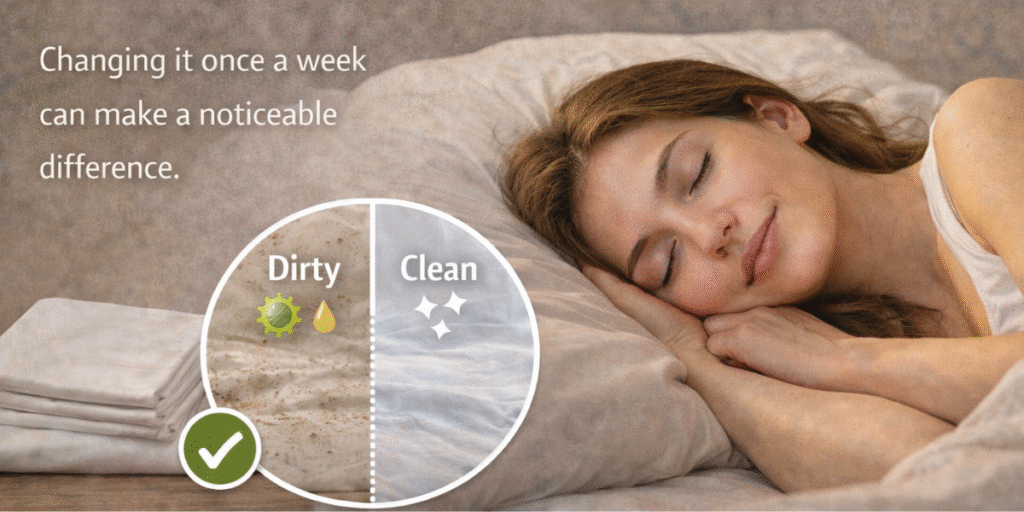
Keep Your Pillowcase Clean
Pillowcases get dirty quickly because they collect sweat, oil, dead skin cells, and bacteria while you sleep. If not washed regularly, these can transfer back to your skin, causing pimples, irritation, and dullness.
How often to wash:
- Ideally, wash your pillowcase every 3–4 days.
- If you sweat a lot or have oily/acne-prone skin, wash it every 1–2 days.
Why it affects your face:
- Dirty pillowcases clog pores, leading to acne and blackheads.
- They can irritate sensitive skin, causing redness or rashes.
- Clean pillowcases help your skin stay fresh, healthy, and glowing
Get Some Morning Sunlight
Getting some morning sunlight is good for your face. Sunlight helps your skin in many ways:
- Improves mood – Sunlight increases serotonin, a “happy hormone,” which lowers stress and makes you feel better. Less stress also helps your skin stay healthy.
- Vitamin D production – Sunlight helps your skin make vitamin D, which is important for healthy skin and strong bones.
- Reduces acne – A little sunlight can dry extra oil on your skin, helping to reduce pimples.
- Brightens complexion – Morning sunlight can give your skin a natural glow and make your skin tone look better.
- Anti-bacterial effects – Sunlight can kill some bacteria on the skin, which helps prevent skin infections
⚠️ Important: Only 10–15 minutes of morning sun (before 10 AM) is enough. Excessive sun exposure can cause tanning, premature aging, and increase the risk of skin cancer.

Be Patient With Your Skin
Glow Takes Time
Beautiful, radiant skin isn’t built overnight—it’s a journey, not a race. Every drop of water you drink, every nutritious meal you eat, every moment you rest and care for yourself adds up.
Be patient. Your skin is healing, renewing, and glowing in its own time. Consistency beats perfection—show up for your skin every day, and it will shine back at you.
Remember: your glow reflects your care, your love, and your patience. Keep going—you’re glowing even when you can’t see it yet.
Final Thoughts
Clear skin doesn’t come from products alone. It comes from healthy habits, balance, and self-care. When you treat your body well, your skin responds naturally.
In Beauty Home Salon – Zirakpur
Get clear, glowing skin naturally! 💧
Gentle facials, natural care, and expert tips to keep your skin healthy and radiant. 🌿
📍 Zirakpur | Chandigarh | Panchkula | Mohali