


Foods that are high in hyaluronic acid
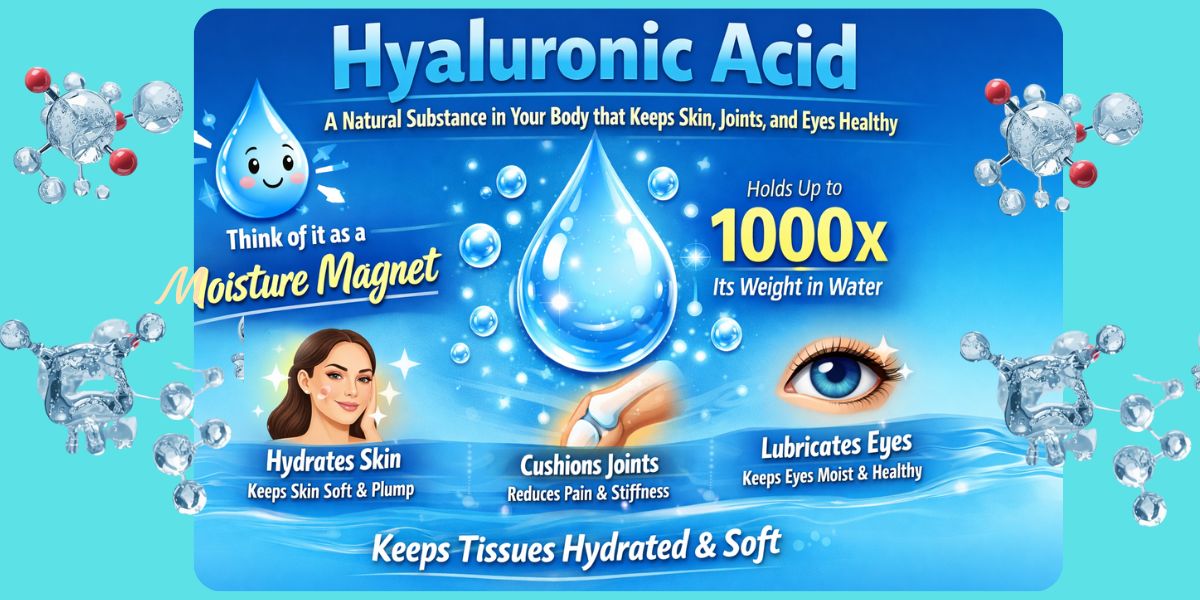
Hyaluronic acid (HA) is a natural substance in your body that plays a vital role in keeping your skin, joints, and eyes healthy. Think of it as a moisture magnet—it can hold up to 1000 times its weight in water, keeping tissues hydrated and soft. below hyaluronic acid benefits

Where Can You Get Hyaluronic Acid?
1. Bone Broth
- Made by simmering bones of chicken, beef, or fish.
- Rich in collagen and hyaluronic acid, which support skin, joints, and connective tissue.

2. Soy-Based Foods
- Tofu, tempeh, soy milk
- Contain isoflavones that stimulate the body to produce more hyaluronic acid.

3. Leafy Greens
- Spinach, kale, Swiss chard
- High in magnesium, which helps hyaluronic acid production in the body.
4. Root Vegetables
- Sweet potatoes, potatoes, carrots
- Provide nutrients that support collagen and hyaluronic acid synthesis.

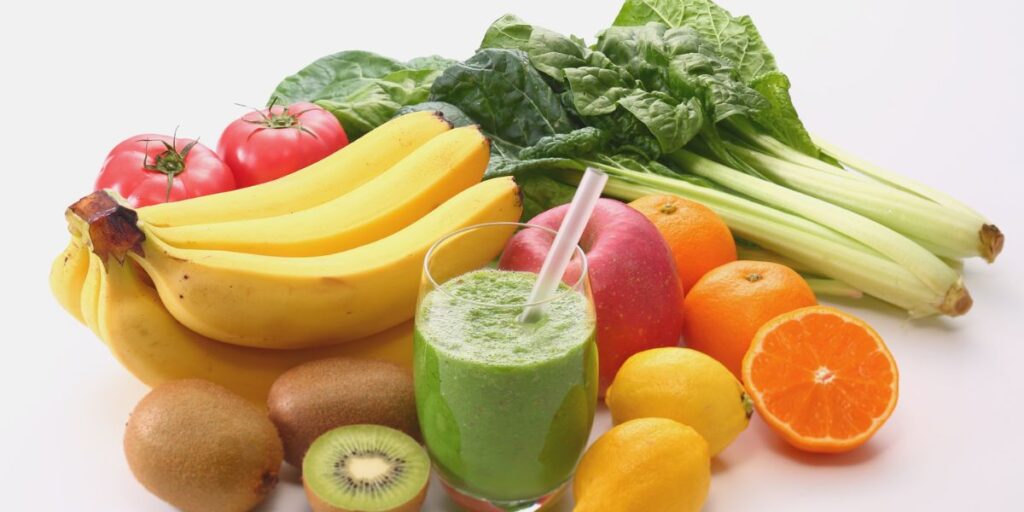
5. Citrus Fruits
- Oranges, lemons, grapefruit
- High in vitamin C, essential for collagen formation, which works with hyaluronic acid to keep skin plump.
6. Soy Milk and Dairy Alternatives
- Fortified soy or almond milk often supports skin hydration indirectly by boosting hyaluronic acid.
7. Red and Orange Vegetables
- Bell peppers, tomatoes, pumpkins
- Contain vitamin C and antioxidants that protect hyaluronic acid in your skin.
8. Nuts and Seeds
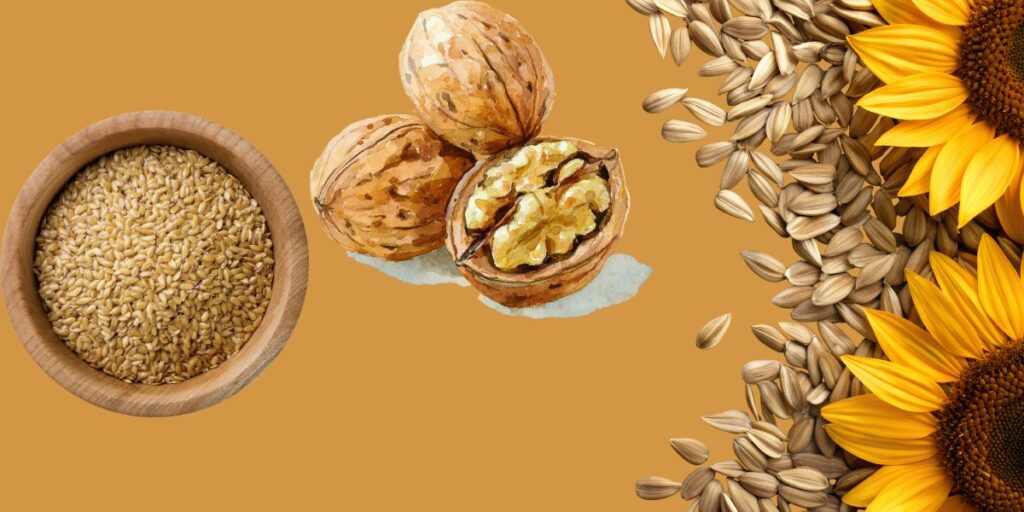
- Walnuts, flaxseeds, sunflower seeds
- Rich in magnesium and healthy fats, which help maintain hyaluronic acid levels.
- Foods That Boost Hyaluronic Acid
| Food Category | Examples | How It Helps Hyaluronic Acid / Body |
| Bone Broth | Chicken, beef, fish bones | Rich in collagen and hyaluronic acid; supports skin, joints, and connective tissue |
| Soy-Based Foods | Tofu, tempeh, soy milk | Contain isoflavones that stimulate the body to produce more hyaluronic acid |
| Leafy Greens | Spinach, kale, Swiss chard | High in magnesium, which helps the body produce hyaluronic acid |
| Root Vegetables | Sweet potatoes, potatoes, carrots | Provide nutrients that support collagen and hyaluronic acid synthesis |
| Citrus Fruits | Oranges, lemons, grapefruit | High in vitamin C, essential for collagen formation, keeping skin plump |
| Soy Milk & Dairy Alternatives | Fortified soy milk, almond milk | Supports skin hydration indirectly by boosting hyaluronic acid |
| Red & Orange Vegetables | Bell peppers, tomatoes, pumpkins | Contain vitamin C and antioxidants that protect hyaluronic acid in skin |
| Nuts & Seeds | Walnuts, flaxseeds, sunflower seeds | Rich in magnesium and healthy fats, maintaining hyaluronic acid levels |
2. Supplements
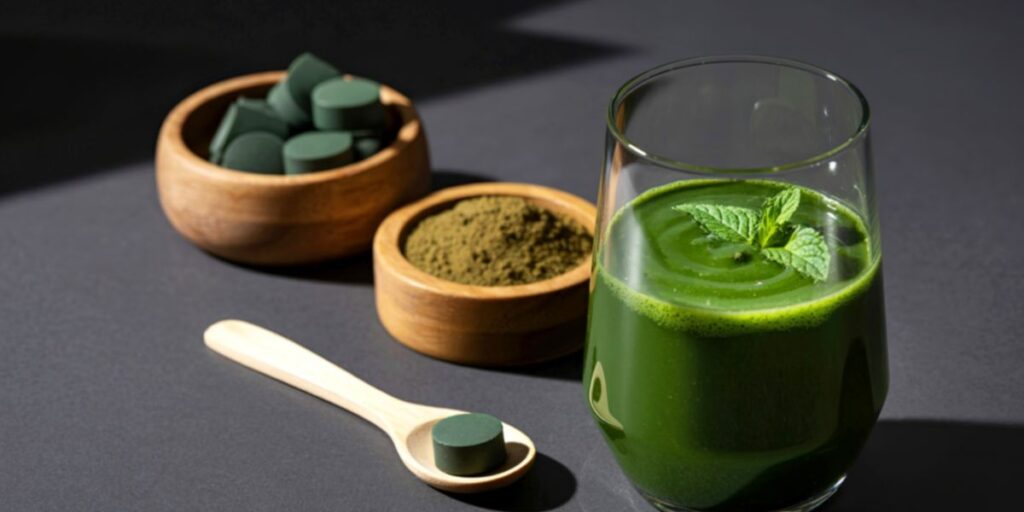
- Available as tablets, powders, or drinks.
- Can support skin, joint, and eye health when dietary intake is low.
3. Skincare Products
- Serums, creams, and masks with HA can hydrate skin directly and reduce fine lines.
Benefits of Hyaluronic Acid
- Keeps Skin Hydrated and Glowing
- Attracts and holds water in the skin, making it soft, plump, and youthful.
- Supports Joint Health
- Found in cartilage and joints, it helps reduce pain and stiffness.
- Heals Wounds Faster
- Helps repair skin and reduces inflammation.
- Protects Eyes
- Found in the vitreous of the eye, helps keep eyes moist and healthy.
- Reduces Signs of Aging
- Helps smooth wrinkles and fine lines by keeping skin hydrated.

In Beauty Home Salon – Zirakpur
Get clear, glowing skin naturally! 💧
Gentle facials, natural care, and expert tips to keep your skin healthy and radiant. 🌿
📍 Zirakpur | Chandigarh | Panchkula | Mohali
Conclusion
Hyaluronic acid is not a miracle, but it’s a powerful, natural nutrient that supports skin, joints, and eyes. Including HA-rich foods in your diet, staying hydrated, and using skincare wisely can help you look younger, feel healthier, and keep your body well-lubricated.
1. What is hyaluronic acid and why is it important for the body?
Hyaluronic acid is a natural substance found in the body that helps keep skin, joints, and eyes hydrated. It can hold a large amount of water, which keeps tissues soft, smooth, and healthy.
2. Which foods are naturally high in hyaluronic acid?
Foods like bone broth, soy-based foods (tofu, tempeh, soy milk), leafy greens, root vegetables, citrus fruits, nuts, and seeds help provide or boost hyaluronic acid in the body.
3. How does bone broth help increase hyaluronic acid?
Bone broth is rich in collagen and hyaluronic acid. It supports joint health, skin elasticity, and connective tissues, making it one of the best natural sources.
4. Can fruits and vegetables help boost hyaluronic acid levels?
Yes, fruits and vegetables rich in vitamin C, magnesium, and antioxidants—such as oranges, bell peppers, spinach, sweet potatoes, and tomatoes—help the body produce and protect hyaluronic acid.